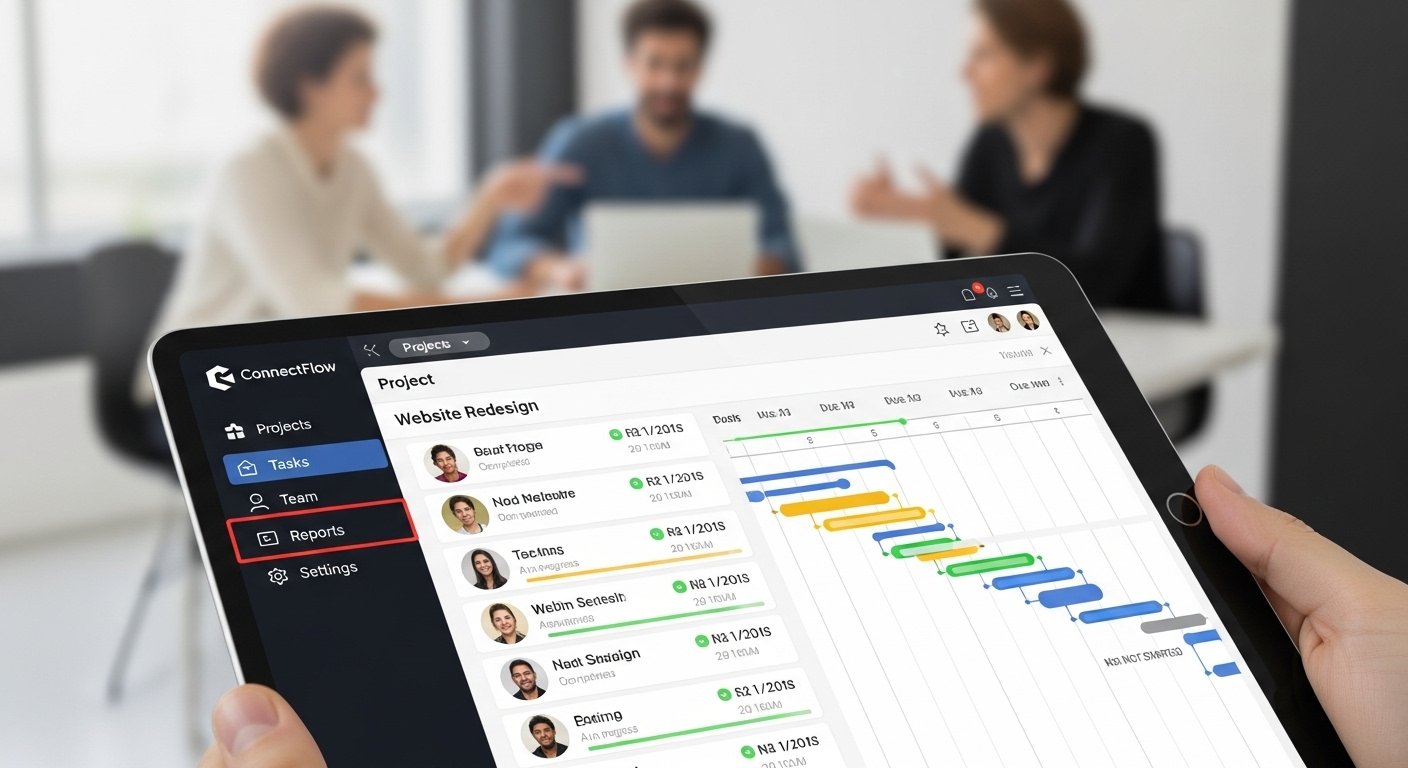
Managing a small team should feel exciting, not chaotic. But when tasks pile up, deadlines blur together, and nobody knows who is doing what, even a five-person team can feel like herding cats. The right tool changes everything.
Project management software helps small teams stay organized, communicate clearly, and hit deadlines without the overhead of complex enterprise tools. Finding the best project management software for small teams means balancing features with simplicity. You need something powerful enough to handle real work but easy enough that everyone actually uses it.
This guide compares the top options available today. We look at pricing, features, ease of use, and which tool works best for different team types. By the end, you will know exactly which platform fits your team. Let’s get organized.
Key Takeaways
- Compare top project management tools designed for small teams.
- Understand which features matter most for teams under 20 people.
- Learn about free options that deliver real value.
- Discover how to choose based on your workflow style.
- Find tools that integrate with apps you already use.
- Get recommendations for specific team types and industries.
Why Small Teams Need Project Management Software
Small teams often rely on email, chat messages, and sticky notes to track work. This approach works until it does not. Someone forgets a task, a deadline gets missed, and suddenly the whole project is behind schedule.
Project management software creates a single source of truth. Everyone can see what needs to happen, when it is due, and who is responsible. This transparency eliminates confusion and keeps projects moving forward.
The Cost of Disorganization
Without proper tools, small teams face hidden costs that add up quickly:
- Wasted time: Team members spend hours searching for information across emails and chats.
- Duplicated work: Two people unknowingly work on the same task.
- Missed deadlines: Without clear tracking, due dates slip through the cracks.
- Poor communication: Important updates get buried in message threads.
Studies show that employees spend 20% of their workweek searching for internal information. A good project management tool eliminates this waste.
Benefits for Small Teams Specifically
Small teams have unique advantages when using project management software:
- Faster adoption since fewer people need training
- Quicker decision-making with all information in one place
- Better accountability when tasks are clearly assigned
- Easier onboarding for new team members
- Scalability as the team grows
Top Project Management Tools Compared
Let us examine the best options available for small teams. Each tool has strengths that make it suitable for different situations.
Trello
Overview
Trello uses a visual board and card system that makes project management feel intuitive. It is one of the simplest tools to learn, making it perfect for teams that want to get started quickly without a steep learning curve.
Pros
- Visual Interface: Drag-and-drop cards make organizing tasks effortless.
- Free Plan: Generous free tier with unlimited cards and up to 10 boards.
- Easy Setup: Create your first board in under five minutes.
- Power-Ups: Add features like calendars, voting, and custom fields.
Cons
- Limited Views: Only board view in the free plan.
- No Time Tracking: Requires third-party integrations for time tracking.
- Scalability Issues: Can become cluttered with complex projects.
Best For
Visual thinkers and teams that prefer a simple kanban-style workflow. Trello is ideal for creative projects, content calendars, and straightforward task management.
Asana
Overview
Asana offers a more structured approach to project management with multiple views including list, board, timeline, and calendar. It strikes a balance between simplicity and functionality.
Pros
- Multiple Views: Switch between list, board, timeline, and calendar views.
- Task Dependencies: Set up tasks that depend on others being completed first.
- Free Plan: Supports up to 15 team members at no cost.
- Integrations: Connects with Slack, Google Drive, and hundreds of other apps.
Cons
- Learning Curve: More features mean more to learn initially.
- Limited Reporting: Advanced reporting requires paid plans.
- Can Feel Complex: May be overkill for very simple projects.
Best For
Teams that need more structure than Trello offers but do not want the complexity of enterprise tools. Asana works well for marketing teams, product development, and cross-functional projects.
Monday.com
Overview
Monday.com provides a highly customizable platform that adapts to almost any workflow. Its colorful interface and flexible structure make it popular among creative and operations teams.
Pros
- Highly Customizable: Build boards that match your exact workflow.
- Visual Dashboards: Create dashboards to track progress across projects.
- Automation: Set up automations to reduce repetitive tasks.
- Multiple Views: Kanban, timeline, calendar, chart, and map views.
Cons
- Minimum Users: Paid plans require at least 3 users.
- Price Increases: Costs rise quickly as you add features.
- Complexity: Can be overwhelming for teams that need simplicity.
Best For
Teams that want maximum flexibility and visual appeal. Monday.com excels for agencies, operations teams, and businesses with unique workflows.
ClickUp
Overview
ClickUp aims to be the all-in-one productivity platform. It combines project management, documents, goals, and chat in a single tool, reducing the need for multiple subscriptions.
Pros
- All-in-One: Project management, docs, goals, and chat in one place.
- Generous Free Plan: Unlimited tasks and members on the free tier.
- Multiple Views: 15+ different ways to view your work.
- Custom Fields: Highly customizable for any workflow.
Cons
- Steep Learning Curve: The sheer number of features can be overwhelming.
- Performance: Can feel slow with large amounts of data.
- Interface Clutter: Some users find the interface busy.
Best For
Teams that want maximum features in a single tool. ClickUp is great for tech-savvy teams that do not mind investing time in setup and learning.
Notion
Overview
Notion combines notes, databases, and project management in a flexible workspace. It is more than just a project management tool, serving as a knowledge base and documentation platform as well.
Pros
- Flexible Structure: Build any system you can imagine.
- Knowledge Base: Combine project management with documentation.
- Templates: Thousands of community templates available.
- Affordable: Reasonable pricing for small teams.
Cons
- Not Purpose-Built: Lacks some dedicated PM features.
- Setup Required: Requires significant initial configuration.
- No Time Tracking: Native time tracking is not available.
Best For
Teams that want to combine project management with documentation and knowledge management. Notion is perfect for startups, content teams, and anyone who loves customization.
Feature Comparison Table
| Tool | Free Plan | Starting Price | Best Feature | Ideal For |
|---|---|---|---|---|
| Trello | Yes | $5/user/mo | Simplicity | Visual workflows |
| Asana | Yes (15 users) | $10.99/user/mo | Multiple views | Structured teams |
| Monday.com | No (14-day trial) | $8/user/mo | Customization | Flexible workflows |
| ClickUp | Yes | $7/user/mo | All-in-one | Feature seekers |
| Notion | Yes | $8/user/mo | Flexibility | Documentation lovers |
How to Choose the Right Tool
With so many options, making a decision can feel overwhelming. Focus on these key factors to narrow down your choice.
Consider Your Workflow Style
Different teams work differently. Think about how your team naturally organizes work:
- Visual thinkers: Trello or Monday.com with their card-based interfaces
- List lovers: Asana or ClickUp with robust list views
- Flexible thinkers: Notion for complete customization
Evaluate Your Budget
Small teams should start with free plans whenever possible. Most tools offer enough functionality on free tiers to manage basic projects. Upgrade only when you hit specific limitations that block your workflow.
Think About Integration Needs
Consider what other tools your team uses daily. If you live in Slack, choose a tool with strong Slack integration. If Google Workspace is your foundation, look for tools that connect seamlessly with Google Drive and Calendar.
Plan for Growth
Choose a tool that can grow with your team. Even if you are five people today, think about what you will need at fifteen or fifty. Look at pricing at higher tiers to avoid surprises later.
Implementation Tips for Small Teams
Choosing the right tool is only half the battle. Successful implementation determines whether your team actually adopts it.
Start Simple
Do not try to use every feature on day one. Start with basic task management and gradually add complexity as your team gets comfortable. This approach prevents overwhelm and increases adoption.
Get Team Buy-In
Involve your team in the selection process. Let them test different tools and share their preferences. People are more likely to use a tool they helped choose.
Create Clear Guidelines
Establish simple rules for how your team will use the tool:
- Where do new tasks get created?
- How do you indicate task status?
- When should comments be used versus chat?
- Who is responsible for keeping boards updated?
Lead by Example
Team leaders should use the tool consistently and visibly. When the boss uses the system, everyone else follows. If leadership ignores the tool, the team will too.
Conclusion
Finding the best project management software for small teams comes down to understanding your specific needs and workflow preferences. There is no single best tool for everyone.
Start with free plans and test multiple options. Pay attention to which tool feels most natural for your team. The best project management software is the one your team actually uses consistently.
Remember, the goal is not to find the most feature-rich tool. It is to find the tool that helps your small team work better together, hit deadlines, and deliver great results. Start organizing today and watch your productivity soar.
FAQ
What is the best free project management tool for small teams?
Trello and ClickUp offer the most generous free plans for small teams. Trello provides unlimited cards and up to 10 boards, while ClickUp offers unlimited tasks and members. Asana also has a solid free plan supporting up to 15 team members. Choose based on whether you prefer visual boards or list-based task management.
How many people can use free project management tools?
Most free project management tools support between 5 and 15 team members. Trello allows unlimited members on its free plan, while Asana supports up to 15 users. Monday.com does not offer a free plan but provides a 14-day trial. For teams larger than 15 people, you will likely need to upgrade to a paid plan.
Is Trello good for project management?
Trello is excellent for simple project management and visual workflows. Its kanban-style boards make it easy to see task status at a glance. However, it may lack features for complex projects requiring dependencies, time tracking, or advanced reporting. Trello works best for small teams with straightforward workflows and creative projects.
Can I use Notion for project management?
Yes, Notion can be used for project management, though it requires more setup than dedicated tools. You can create databases for tasks, set up views for different perspectives, and combine project tracking with documentation. Notion is ideal for teams that want to manage projects alongside knowledge bases and wikis in a single flexible workspace.
What project management tool do startups use?
Startups commonly use Asana, Notion, or ClickUp depending on their needs. Asana offers a good balance of features and simplicity. Notion appeals to startups that want to combine project management with documentation. ClickUp attracts teams wanting maximum features in one tool. Many startups begin with free plans and upgrade as they grow.
How do I get my team to adopt project management software?
Start by involving your team in the selection process and choosing a tool they find intuitive. Begin with simple features and gradually add complexity. Create clear guidelines for how to use the tool and lead by example. Most importantly, be patient and consistent. Adoption takes time, but when everyone sees the benefits of organized workflows, they will embrace the change.